Key Takeaways
- Xanthelasma are harmless yellowish cholesterol deposits that commonly appear on the eyelids but may persist or grow without treatment.
- Dermatologists use several safe and established methods for xanthelasma removal, including laser ablation, chemical cauterisation, and surgical excision.
- Each method has its own benefits and considerations, depending on the size, depth, and location of the lesions.
- Consulting a qualified medical practitioner helps individuals understand the most suitable option for their condition.
What Is Xanthelasma and Why Does It Appear?
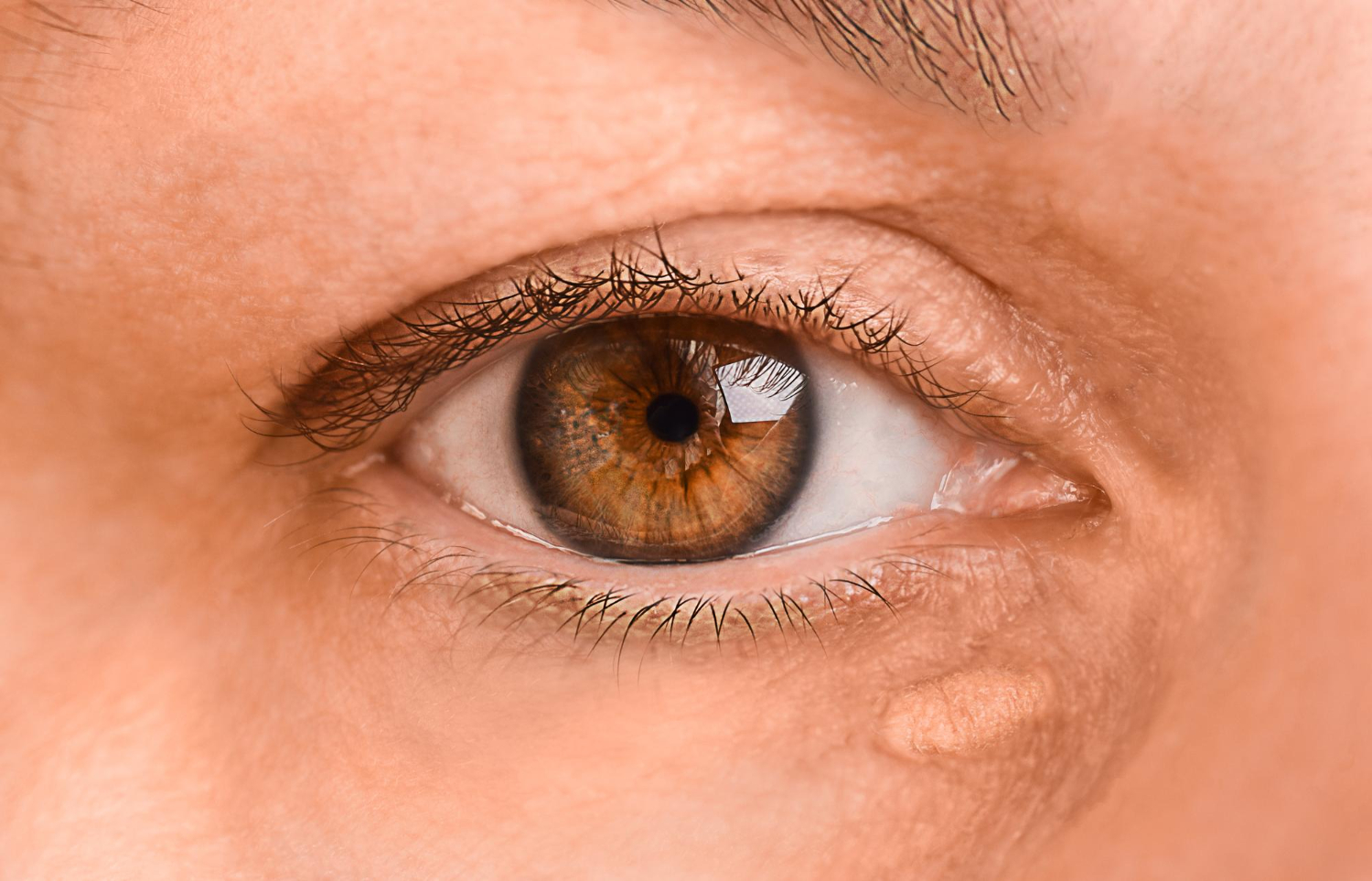
Xanthelasma are soft, yellow patches that can form on or around the eyelids. They’re caused by cholesterol building up under the skin, and while they’re harmless, many people choose to treat them as they can become more noticeable with time.
Common reasons why xanthelasma develops include:
- High cholesterol levels
- Family history of lipid disorders
- Medical conditions such as diabetes or thyroid disease
- Natural ageing and changes in skin structure
Although harmless, these patches typically do not disappear on their own.
What Are the Common Xanthelasma Removal Options?
Dermatologists may suggest different treatments based on how large or deep the patch is. Here are the methods used most often:
1. How Does Laser Removal Work?
Laser treatment is a method used to precisely target the cholesterol deposits. It works by:
- Using controlled laser energy to break down the deposits
- Minimising effects on surrounding skin
- Allowing targeted removal of superficial lesions
Laser removal may suit those who want a minimally disruptive option with a shorter recovery period.
2. What Is Chemical Cauterisation?
Chemical cauterisation uses a medical-grade solution to treat the patch. It works by:
- Gently removing surface layers of skin
- Allowing the lesion to gradually reduce
- Providing an option for smaller or flatter patches
A dermatologist will assess whether this approach fits your skin and lesion type.
3. When Is Surgical Excision Recommended?
Surgical excision is typically used for larger or deeper xanthelasma patches. It involves:
- Carefully removing the lesion through a small incision
- Closing the area with fine sutures
- Offering immediate physical removal of the deposit
This approach may be considered when other methods may not achieve the desired clearance.
How Do Dermatologists Decide the Best Method?
A medical practitioner will consider the lesion’s size, thickness, and location, your skin type and healing, any cholesterol issues, and your preferences for downtime and aftercare before suggesting a treatment.
What Is the Recovery Like After Xanthelasma Removal?
While recovery varies, these are general expectations:
- Mild swelling or redness for a few days
- Temporary scabbing if laser or chemical techniques are used
- Simple wound care instructions provided by the clinic
- Follow-up review to assess healing
Most individuals can return to daily activities shortly after their procedure.
FAQs About Xanthelasma Removal
1. Is xanthelasma harmful?
No, it’s generally harmless, though some people choose to remove it for cosmetic reasons.
2. Will it come back after treatment?
It can recur if cholesterol levels stay high, so follow-up checks may help.
3. Is removal painful?
Most treatments cause only mild discomfort, and numbing is usually used.
4. How long does treatment take?
Most procedures take around 15–45 minutes, depending on the method and number of patches.
Considering Xanthelasma Removal in Singapore?
If you are exploring options for xanthelasma removal in Singapore and wish to understand which method suits your situation, you may consider arranging a consultation with a medical practitioner.
HONG Plastic Surgery provides medical evaluation and various treatment options for conditions affecting the face and skin, along with services such as facelift, rhinoplasty, liposuction, breast aesthetic procedures, and body contouring.
If you would like to learn more about your condition and available approaches, you may consider scheduling a consultation for personalised medical advice.