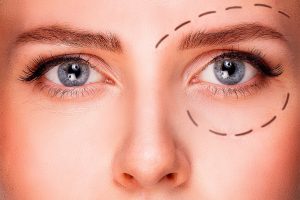
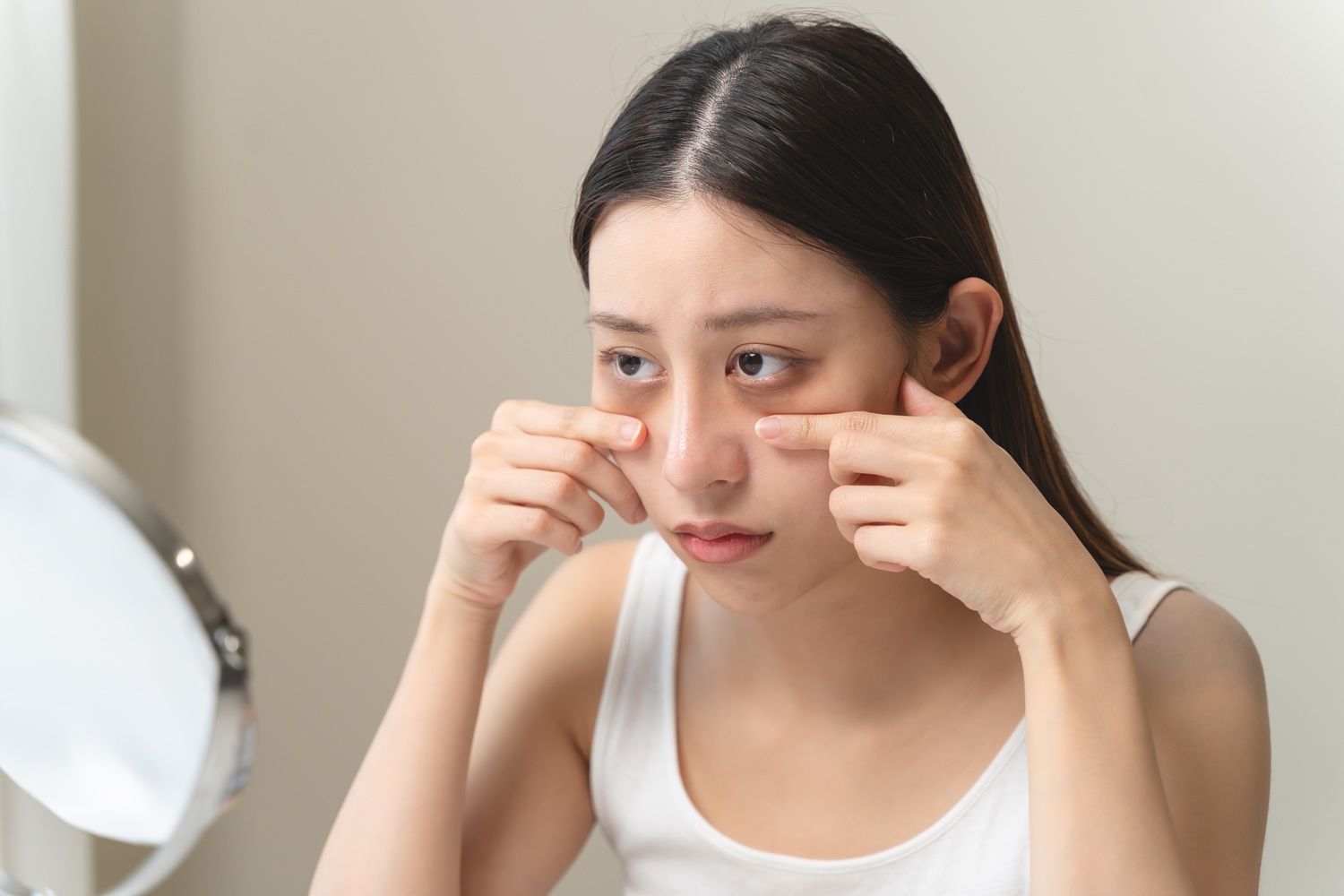
Eyebags can make you look tired even after a good night’s sleep. But is the problem simply excess fat that needs to be removed? Not always. The appearance of the lower eyelid can be influenced by fat, skin, muscle, bone structure and changes in volume around the eyes.
Key Takeaways
- Eyebags are not always caused by excess fat alone.
- Lower eyelid surgery may involve repositioning or adjusting fat rather than simply removing it.
- Ageing can change the balance of volume and support around the eyes.
- A personalized eye bag treatment approach considers your individual anatomy and concerns.
- The most suitable treatment can only be determined after a proper clinical assessment.
Why Can Your Eyes Look Tired Even When You Are Not?
The lower eyelid is more complex than it may appear. As we age, tissues around the eyes can change in several ways, sometimes making the area look puffy, hollow or uneven.
Some people naturally have more prominent fat compartments beneath the eyes. Others may develop changes because of ageing, skin laxity or alterations in the surrounding facial volume. This means two people with what appears to be the same “eyebag” may not actually have the same underlying concern.
Some common factors may include,
- Protrusion of fat beneath the lower eyelid
- Looser or thinner lower eyelid skin
- Changes in the supporting tissues around the eye
- Hollowing beneath the eyelid, which can make the bag appear more prominent
- Natural facial anatomy and ageing-related changes
This is why simply asking, “How much fat needs to be removed?” may not tell the whole story.
Does Eyebag Surgery Always Mean Removing Fat?
Not necessarily. In some cases, removing excess fat may be part of lower eyelid surgery. However, depending on the individual anatomy, the surgeon may consider whether fat should be repositioned or other tissues addressed.
The objective is not simply to make the lower eyelid look flatter. Removing too much volume may potentially create a hollow appearance, which is one reason treatment planning needs to consider the overall relationship between the eyelid and surrounding facial structures.
A personalised approach may therefore look at,
- Where the fullness is coming from
- Whether there is also hollowing beneath the eyebag
- The condition and laxity of the skin
- The position and support of the lower eyelid
- The overall balance between the lower eyelid and cheek
Could Restoring Balance Matter More Than Removing Volume?
This is where eyebag surgery becomes less about “removing something” and more about understanding facial structure.
Imagine a lower eyelid with both a visible fat bulge and a hollow area underneath it. Removing the bulge alone may not address the visual transition between the eyelid and cheek.
In selected patients, treatment planning may therefore involve addressing the relationship between these areas rather than focusing solely on fat removal. The exact surgical approach varies from person to person. A consultation allows the surgeon to assess the eyelid and surrounding structures before discussing whether surgery is appropriate and what it may involve.
How Do You Know Which Eyebag Treatment Is Suitable For You?
There is no single procedure that is suitable for everyone with eyebags. Your concerns, anatomy, skin condition and expectations all matter. During an assessment, your doctor may consider,
- Whether the main concern is fat prominence, skin laxity, hollowing or a combination
- Your general eye and facial anatomy
- Whether there are concerns involving the lower eyelid position or support
- Your medical history and suitability for surgery
- The potential benefits and limitations of the proposed approach
This is why searching for a “one-size-fits-all” eyebag solution may be less useful than understanding what is actually contributing to your individual appearance.
Frequently Asked Questions
Is Eyebag Surgery Only For Older People?
No. Eyebags can be influenced by natural anatomy as well as age-related changes, so people may have concerns at different ages.
Does Eyebag Surgery Always Remove Fat?
No. Depending on the individual anatomy, fat may be removed, repositioned or addressed alongside other tissues.
Can Eyebag Surgery Treat Hollowing As Well?
Treatment depends on the cause and individual anatomy. If hollowing is present, the surgical plan may need to consider the overall volume balance around the lower eyelid.
Is Eyebag Surgery Suitable For Everyone?
Not necessarily. Suitability depends on factors such as your anatomy, health, eye condition and expectations. A clinical assessment is needed before deciding on treatment.
How Do I Know Which Treatment Is Right For Me?
A consultation with a plastic surgeon can help identify the factors contributing to your eyebags and discuss the available treatment options.
Could A Personalised Approach Be The Missing Piece?
Eyebag surgery is not simply about taking away fat. For some people, the concern may involve a combination of fullness, hollowing, skin changes and the natural structure around the eyes.
If you are considering personalised eyebag treatment in Singapore, a consultation at HONG Plastic Surgery with Dr Hong Soo Wan can help you understand your individual concerns and discuss whether treatment may be suitable for you.
Consider booking a consultation to have your lower eyelid concerns properly assessed and learn what options may be appropriate for your anatomy.